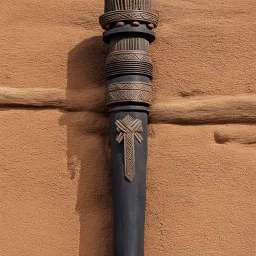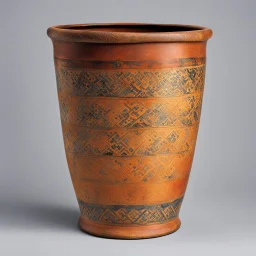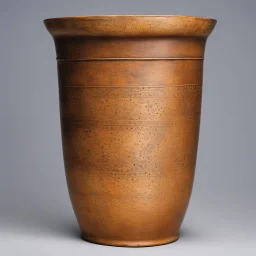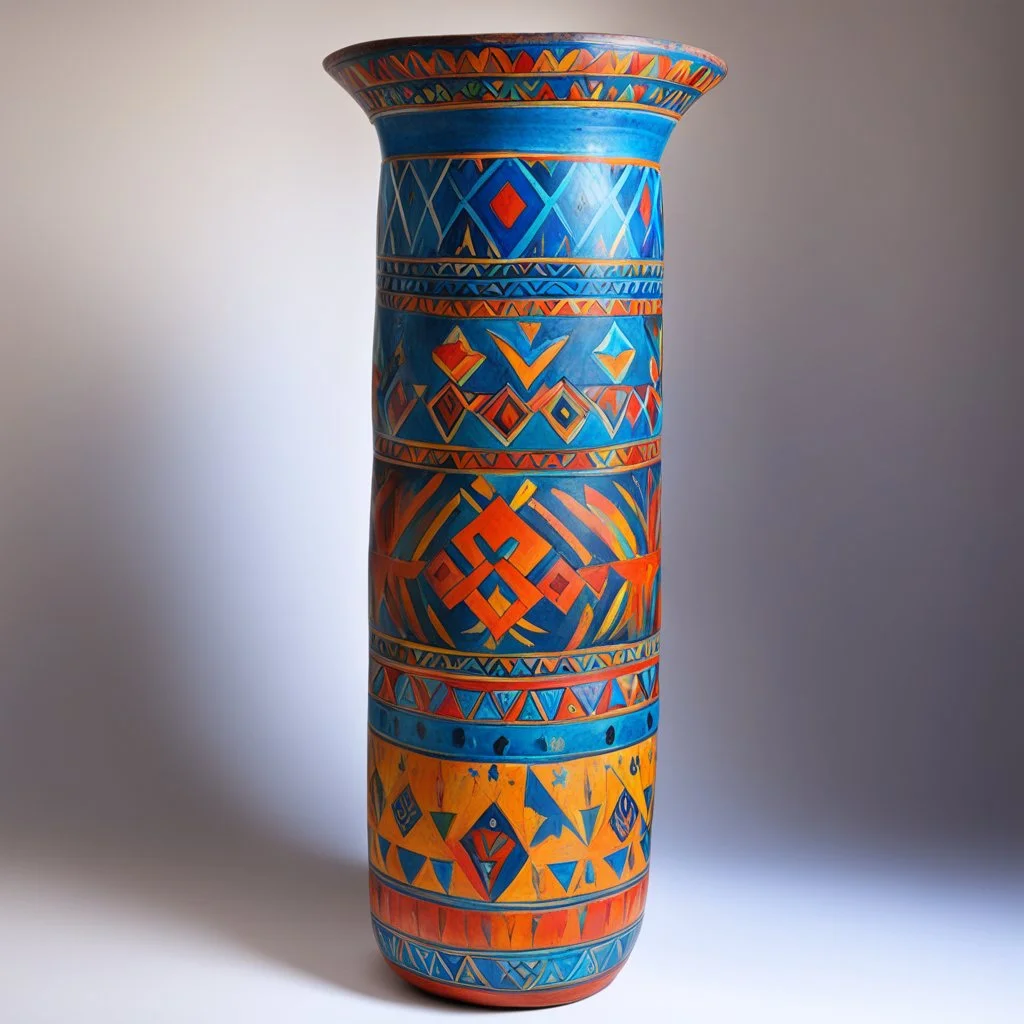
Placeholder: an incredibly tall painted Kabyle pot with the shape of an mystical animal an incredibly tall painted Kabyle pot with the shape of an mystical animal

@generalpha

Prompt

an incredibly tall painted Kabyle pot with the shape of an mystical animal

distorted image, malformed body, malformed fingers

4 months ago

Generate Similar

Explore Similar

Model

SSD-1B

Guidance Scale

7

Dimensions

1024 × 1024

Similar

In its early phase, the Bell Beaker culture can be seen as the western contemporary of the Corded Ware culture of Central Europe. From about 2400 BC the Beaker folk culture expanded eastwards, into the Corded Ware horizon.[6] In parts of Central and Eastern Europe, as far east as Poland, a sequence occurs from Corded Ware to Bell Beaker. This period marks a period of cultural contact in Atlantic and Western Europe following a prolonged period of relative isolation during the Neolithic.
an incredibly tall painted Kabyle pot with the shape of an mystical animal in the jungle of an oasis
chaos, ancient, runes, evil, demonic: The full hilt of my messer. The quillons are made of railroad track, forged and ground. The Nageln (the nail that fixes the quillons or crossguards in place) is fashioned into a side ring for added protection. The twisted copper wire on the ends of the bone grip is actually woven into the tang under the bone and fixes the bone slabs in place surprisingly well.
Regular pentagons do not tile the plane, but there are 15 families of irregular convex pentagons that do
Bell Beaker domestic ware has no predecessors in Bohemia and Southern Germany, shows no genetic relation to the local Late Copper Age Corded Ware, nor to other cultures in the area, and is considered something completely new. The Bell Beaker domestic ware of Southern Germany is not as closely related to the Corded Ware as would be indicated by their burial rites. Settlements link the Southern German Bell Beaker culture to the seven regional provinces of the Eastern Group, represented by many set
you are astonished to see a kaleidoscopic explosion of colors and light, swirling and twirling in a dizzying vortex of impossible geometries. The door hinges creak in protest, as if even the metal is overwhelmed by the spectacle before it. Your eyes strain to focus, but the more you try, the more the patterns shift and change, creating a visual feast that is both beautiful and utterly incomprehensible. As your senses reorient themselves to this new reality, you notice a figure standing at the c
Roger Penrose’s aperiodic tiles. Left: Rhombuses, or “rhombs.” Right: Kites and darts.
In its early phase, the Bell Beaker culture can be seen as the western contemporary of the Corded Ware culture of Central Europe. From about 2400 BC the Beaker folk culture expanded eastwards, into the Corded Ware horizon.[6] In parts of Central and Eastern Europe, as far east as Poland, a sequence occurs from Corded Ware to Bell Beaker. This period marks a period of cultural contact in Atlantic and Western Europe following a prolonged period of relative isolation during the Neolithic.
Ce type de bâton est l’emblème de la société yona (voleurs rituels). Chaque famille dogon a son voleur rituel. La principale activité de cette société est d’intervenir lors des funérailles de l’un de ses membres, volant des animaux domestiques afin de les sacrifier et de s’en nourrir au cours de la cérémonie funéraire. Ce bâton de voleur, appelé yo domolo, est sculpté de chevrons symbolisant la pluie et le serpent lebe, ancêtre mythique source de fertilité. L’extrémité évoque la tête d’un cheval
Roger Penrose’s aperiodic tiles. Left: Rhombuses, or “rhombs.” Right: Kites and darts.
A semiregular tiling of the plane.

© 2026 Stablecog, Inc.