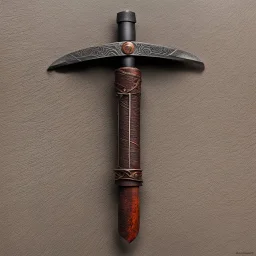
![Placeholder: [live in the jungle] Ce type de bâton est l’emblème de la société yona (voleurs rituels). Chaque famille dogon a son voleur rituel. La principale activité de cette société est d’intervenir lors des funérailles de l’un de ses membres, volant des animaux domestiques afin de les sacrifier et de s’en nourrir au cours de la cérémonie funéraire. Ce bâton de voleur, appelé yo domolo, est sculpté de chevrons symbolisant la pluie et le serpent lebe, ancêtre mythique source de fertilité. L’extrémité évoqu](https://img.stablecog.com/insecure/64w/aHR0cHM6Ly9iLnN0YWJsZWNvZy5jb20vZTc5NDhhYjItMDc3ZC00NTU1LWEwMzUtZDhkZTg2MjA0Mzc4LmpwZWc.webp)
![[live in the jungle] Ce type de bâton est l’emblème de la société yona (voleurs rituels). Chaque famille dogon a son voleur rituel. La principale activité de cette société est d’intervenir lors des funérailles de l’un de ses membres, volant des animaux domestiques afin de les sacrifier et de s’en nourrir au cours de la cérémonie funéraire. Ce bâton de voleur, appelé yo domolo, est sculpté de chevrons symbolisant la pluie et le serpent lebe, ancêtre mythique source de fertilité. L’extrémité évoqu](https://img.stablecog.com/insecure/1920w/aHR0cHM6Ly9iLnN0YWJsZWNvZy5jb20vZTc5NDhhYjItMDc3ZC00NTU1LWEwMzUtZDhkZTg2MjA0Mzc4LmpwZWc.webp)
@generalpha
Prompt
[live in the jungle] Ce type de bâton est l’emblème de la société yona (voleurs rituels). Chaque famille dogon a son voleur rituel. La principale activité de cette société est d’intervenir lors des funérailles de l’un de ses membres, volant des animaux domestiques afin de les sacrifier et de s’en nourrir au cours de la cérémonie funéraire. Ce bâton de voleur, appelé yo domolo, est sculpté de chevrons symbolisant la pluie et le serpent lebe, ancêtre mythique source de fertilité. L’extrémité évoqu
distorted image, malformed body, malformed fingers
10 months ago
Model
SSD-1B
Guidance Scale
7
Dimensions
1024 × 1024
Similar
![[swords style] Everything Everywhere All at Once: The fact that there was just a blade in the middle no handles no nothing imagine being in combat in 1587 and then you get handed a sword Only to realize It’s just a blade.](https://img.stablecog.com/insecure/256w/aHR0cHM6Ly9iLnN0YWJsZWNvZy5jb20vNjAwOTE0OTItZmYzMi00NGJiLWJjMzctMjY4Nzc2N2M2YWU4LmpwZWc.webp)
![[photo for Pan's Labyrinth (2006): in the jungle] Ce type de bâton est l’emblème de la société yona (voleurs rituels). Chaque famille dogon a son voleur rituel. La principale activité de cette société est d’intervenir lors des funérailles de l’un de ses membres, volant des animaux domestiques afin de les sacrifier et de s’en nourrir au cours de la cérémonie funéraire. Ce bâton de voleur, appelé yo domolo, est sculpté de chevrons symbolisant la pluie et le serpent lebe, ancêtre mythique source de](https://img.stablecog.com/insecure/256w/aHR0cHM6Ly9iLnN0YWJsZWNvZy5jb20vYWVlMzgyNWEtMTViMy00NmRiLTgxNWUtYTQxYzBmNjY3MTJmLmpwZWc.webp)