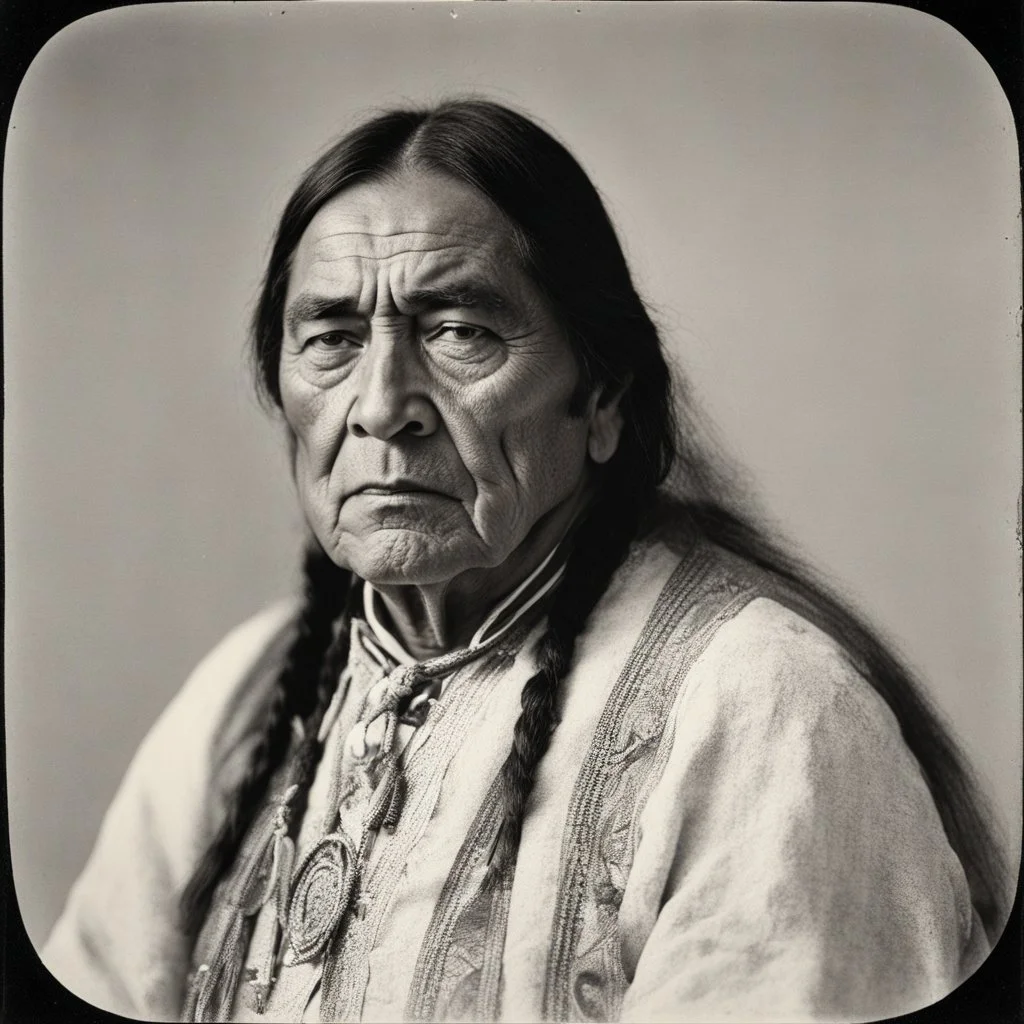
Placeholder: Sitting Bull / D.F. Barry, photographer, Bismarck, D.T. Sitting Bull / D.F. Barry, photographer, Bismarck, D.T.

@generalpha

Prompt

Sitting Bull / D.F. Barry, photographer, Bismarck, D.T.

statue, doubles, twins, entangled fingers, Worst Quality, ugly, ugly face, watermarks, undetailed, unrealistic, double limbs, worst hands, worst body, Disfigured, double, twin, dialog, book, multiple fingers, deformed, deformity, ugliness, poorly drawn face, extra_limb, extra limbs, bad hands, wrong hands, poorly drawn hands, messy drawing, cropped head, bad anatomy, lowres, extra digit, fewer digit, worst quality, low quality, jpeg artifacts, watermark, missing fingers, cropped, poorly drawn

2 years ago

Generate Similar

Explore Similar

Model

SSD-1B

Guidance Scale

7

Dimensions

1024 × 1024

Similar
Sitting Bull / D.F. Barry, photographer, Bismarck, D.T.
nightgow
[high res photo by Ray Harryhausen] Frida Kahlo as a tattooed Viking warrior: she delicately picks the orchid flower with her mystical allure and enchanting fragrance. They are in a hidden garden deep within the heart of a mystical forest, where orchids bloom in a riot of hues - from deep purples to dazzling whites, each blossom a work of art crafted by nature's hand.
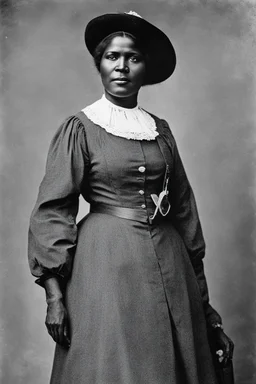
Mary Fields was a pioneer of the Old West as the first female African-American Star Route mail carrier. Born in Tennessee, she is also known as “Black Mary” or “Stagecoach Mary”. When slavery ended in the United States, Mary found work as a chambermaid on a Mississippi River steamboat. However, she soon moved to Ohio as her family circumstances changed. At the age of sixty, Mary Fields applied to work for the US Postal service. She impressed the recruiter by being the fastest to hitch up her s
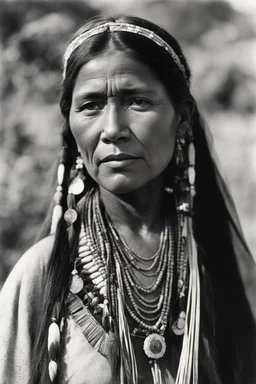
a Native American tribe, possibly the Tolkepayas (Western Yavapai); they captured and enslaved her and her sister and later sold them to the Mohave people. After several years with the Mohave, during which her sister died of hunger, she returned to American society, five years after being carried off. In subsequent years, the tale of Oatman came to be retold with dramatic license in the press, in her own "memoir" and speeches, novels, plays, movies and poetry.
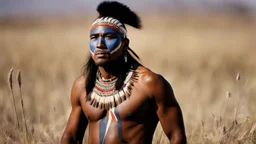
The painting of Little gazelle (Tatanka-cikala)'s face and body among the plains tribes was said to be a form of mental conditioning. the Warrior paint herself with personal protective designs and colors beforehethey engaged in battle with an enemy.
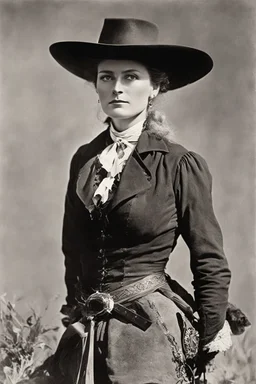
Another of the infamous ladies of the Wild West was a cowgirl named Pearl Hart. She made a name for herself as the only female stagecoach robber in the history of Arizona. Born on Canadian land in 1876, this nineteenth-century outlaw is most well-known for committing some of the last stagecoach robberies in the United States. Hart liked to dress as a man, with hair shorn, and arm herself with a .38 revolver. Together with her accomplice “Joe Boot”, Hart committed crimes like there was no tomo
[Palaeolithic, a Neanderthal man] Who was I? Where was I?… The landscape was totally unknown to me, even my body was unfamiliar. What forces brought me here? I searched my mind for memories… There was something there, but it was too clouded… A name… I scanned the horizon. A distant structure rose out of the mists. As evening approached I came upon an enigmatic oasis with a fountain.
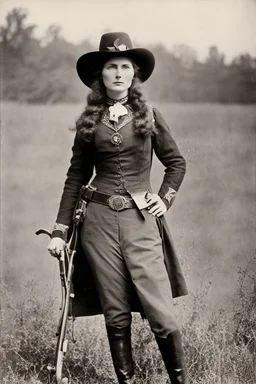
Annie Oakley (1860-1926) was an American West performer and sharpshooter who became a symbol of the late nineteenth and early twentieth centuries. She was born in Ohio and started shooting at a young age, relying on her skills to support her family after her father died. Oakley rose to notoriety as a markswoman, winning a number of shooting competitions and starring in shows such as Buffalo Bill’s Wild West. She was known for her accuracy and precision when it came to shooting small and distant
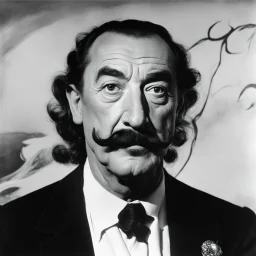
Salvador Dali a de longues moustaches, il a une immense toile barbouillée derrière lui
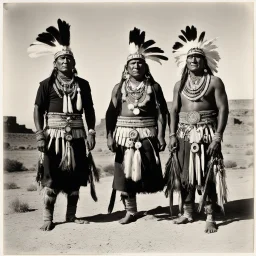
The painting of a man's face and body among the plains tribes during the buffalo days was said to be a form of mental conditioning. Warriors would paint themselves with personal protective designs and colors before they engaged in battle with an enemy. Hence the stereotypical term “war paint.”
[high res photo by Ray Harryhausen] Frida Kahlo as a tattooed Viking warrior: she delicately picks the orchid flower with her mystical allure and enchanting fragrance. They are in a hidden garden deep within the heart of a mystical forest, where orchids bloom in a riot of hues - from deep purples to dazzling whites, each blossom a work of art crafted by nature's hand.

© 2025 Stablecog, Inc.