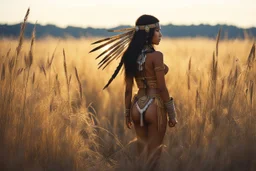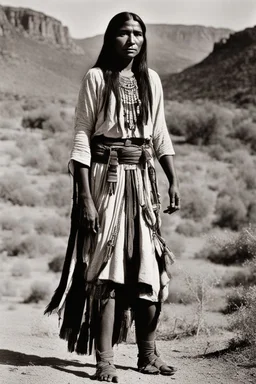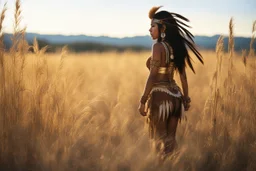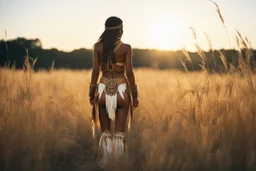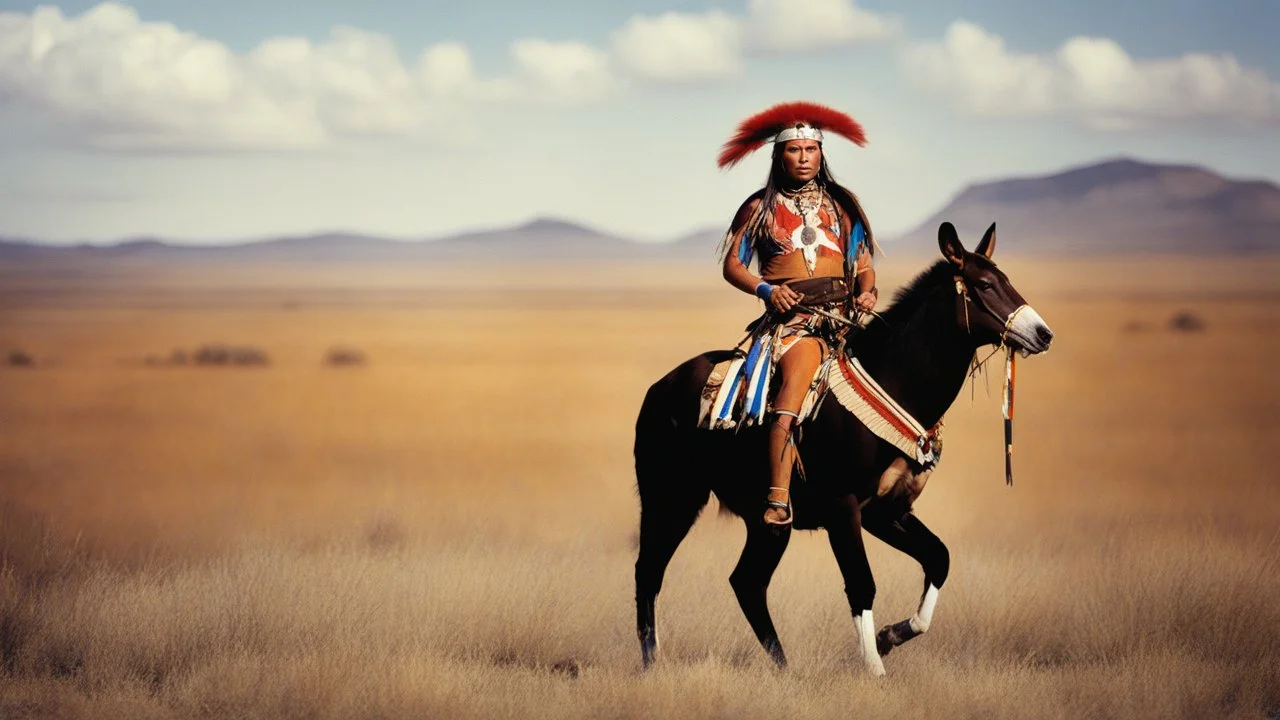
Placeholder: The painting of Little gazelle (Tatanka-cikala)'s face and body among the plains tribes was said to be a form of mental conditioning. the Warrior paint herself with personal protective designs and colors beforehethey engaged in battle with an enemy. The painting of Little gazelle (Tatanka-cikala)'s face and body among the plains tribes was said to be a form of mental conditioning. the Warrior paint herself with personal protective designs and colors beforehethey engaged in battle with an enemy.

@generalpha

Prompt

The painting of Little gazelle (Tatanka-cikala)'s face and body among the plains tribes was said to be a form of mental conditioning. the Warrior paint herself with personal protective designs and colors beforehethey engaged in battle with an enemy.

statue, doubles, twins, entangled fingers, Worst Quality, ugly, ugly face, watermarks, undetailed, unrealistic, double limbs, worst hands, worst body, Disfigured, double, twin, dialog, book, multiple fingers, deformed, deformity, ugliness, poorly drawn face, extra_limb, extra limbs, bad hands, wrong hands, poorly drawn hands, messy drawing, cropped head, bad anatomy, lowres, extra digit, fewer digit, worst quality, low quality, jpeg artifacts, watermark, missing fingers, cropped, poorly drawn

1 year ago

Generate Similar

Explore Similar

Model

SSD-1B

Guidance Scale

7

Dimensions

1280 × 720

Similar
The painting of a man's face and body among the plains tribes during the buffalo days was said to be a form of mental conditioning. Warriors would paint themselves with personal protective designs and colors before they engaged in battle with an enemy. Hence the stereotypical term “war paint.”
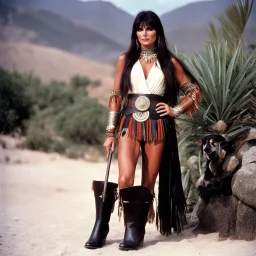
youthful Caroline Munro in a native outfit, she wears leather boots
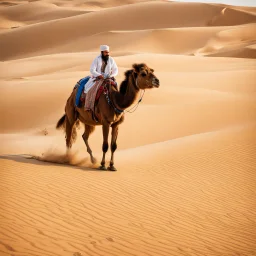
riding a camel
youthful Caroline Munro in a native outfit, she wears leather boots
[by Francis Ford Coppola for Apocalypse Now (1979)] The jungle's dense, the mud hungry for her. The Mexican woman, S.W.A.T. warrior, precise in her movements, hands on her head. Adorned with tribal symbols, her cutout clothing revealing a warrior's arsenal. And just behind her, lurking like a nightmare brought to life, a beast akin to Swamp Thing emerged from the shadows. Its monstrous form twisted and contorted, melding seamlessly with the surrounding foliage. The woman, sweating and muddy, fo
a Native American tribe, possibly the Tolkepayas (Western Yavapai); they captured and enslaved her and her sister and later sold them to the Mohave people. After several years with the Mohave, during which her sister died of hunger, she returned to American society, five years after being carried off. In subsequent years, the tale of Oatman came to be retold with dramatic license in the press, in her own "memoir" and speeches, novels, plays, movies and poetry.
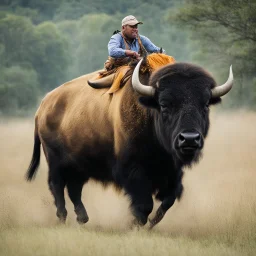
riding a buffalo
the Painted Indian smiles, ready to fight, in dust, rust and blood, her body is covered with throwing daggers belts
On the opposite side of the lake, a group of wild mustangs grazed peacefully, their manes billowing in the wind. Their untamed beauty embodied the spirit of the West, their sleek bodies reflecting the strength and resilience required to survive in this harsh and untamed land. As Scarlett approached the water's edge, she noticed a lone cowboy perched on a weathered fence post, his worn hat tilted low over his eyes. His weather-beaten face bore the marks of countless days spent under the relentles
[photo from the TV series Sandokan (1976)] Barbarian Diplomacy led by three viking women in armour, with no inhibitions. Frida Kahlo with a axe is between them.
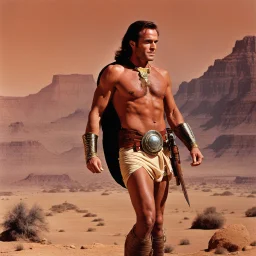
Charlton Heston as John Carter of Mars
riding a buffalo

© 2026 Stablecog, Inc.