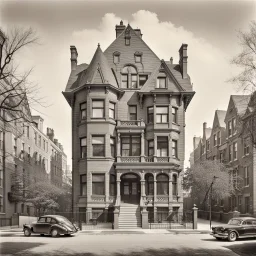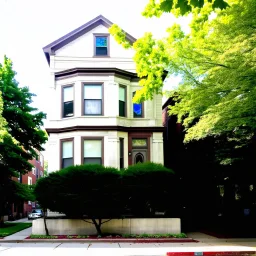
Placeholder: At 2146 W. Caton Street in Wicker Park stands the Frederick Gehrke House, built in 1889 and designed by architects Faber & Pagels. This handsome late-Victorian residence was part of a row of five substantial single-family homes constructed on what was then a newly carved, 600-foot street called Columbia. At the time, this triangular pocket near Damen, North, and Milwaukee was one of the last undeveloped stretches of prairie in the neighborhood — soon to become one of Chicago’ black and white pen At 2146 W. Caton Street in Wicker Park stands the Frederick Gehrke House, built in 1889 and designed by architects Faber & Pagels. This handsome late-Victorian residence was part of a row of five substantial single-family homes constructed on what was then a newly carved, 600-foot street called Columbia. At the time, this triangular pocket near Damen, North, and Milwaukee was one of the last undeveloped stretches of prairie in the neighborhood — soon to become one of Chicago’ black and white pen

@meezer3

Prompt

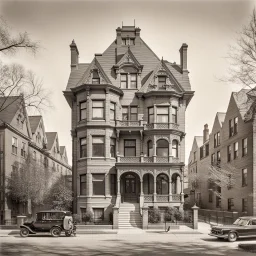
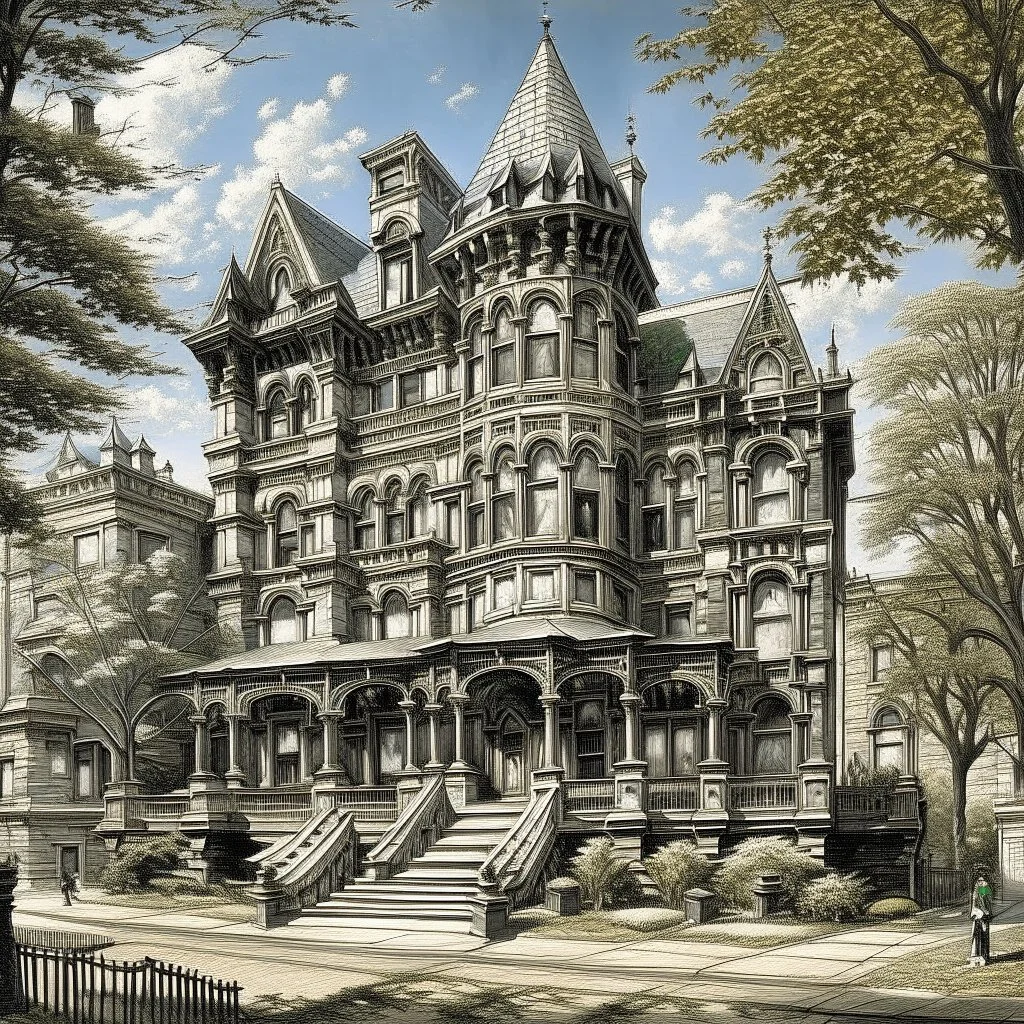
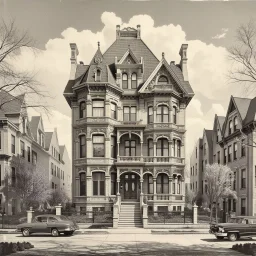
At 2146 W. Caton Street in Wicker Park stands the Frederick Gehrke House, built in 1889 and designed by architects Faber & Pagels. This handsome late-Victorian residence was part of a row of five substantial single-family homes constructed on what was then a newly carved, 600-foot street called Columbia. At the time, this triangular pocket near Damen, North, and Milwaukee was one of the last undeveloped stretches of prairie in the neighborhood — soon to become one of Chicago’ black and white pen

1 month ago

Generate Similar

Explore Similar

Model

Kandinsky 2.2

Guidance Scale

14

Image Strength

0.6

Dimensions

1024 × 1024

Similar
At 2146 W. Caton Street in Wicker Park stands the Frederick Gehrke House, built in 1889 and designed by architects Faber & Pagels. This handsome late-Victorian residence was part of a row of five substantial single-family homes constructed on what was then a newly carved, 600-foot street called Columbia. At the time, this triangular pocket near Damen, North, and Milwaukee was one of the last undeveloped stretches of prairie in the neighborhood — soon to become one of Chicago’ black and white pen
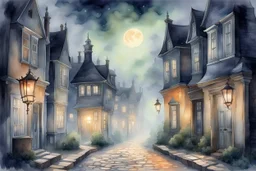
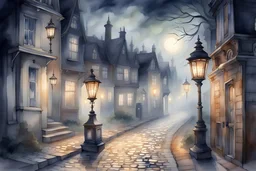
Prompt: a lantern glowing softly on a cobblestone street, mist swirling, with old Victorian houses lining the path, watercolor, mysterious, nocturnal
At 2146 W. Caton Street in Wicker Park stands the Frederick Gehrke House, built in 1889 and designed by architects Faber & Pagels. This handsome late-Victorian residence was part of a row of five substantial single-family homes constructed on what was then a newly carved, 600-foot street called Columbia. At the time, this triangular pocket near Damen, North, and Milwaukee was one of the last undeveloped stretches of prairie in the neighborhood — soon to become one of Chicago’ black and white pen
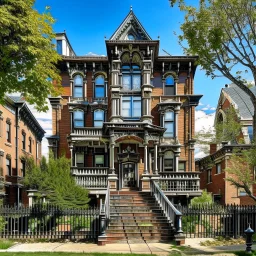
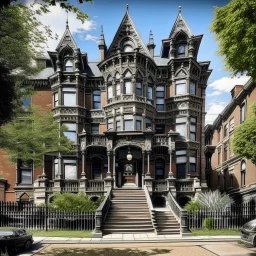
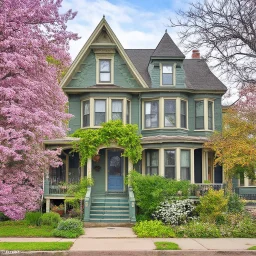
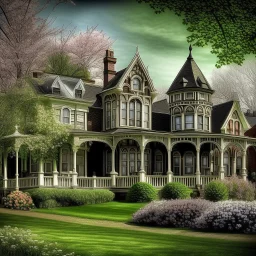
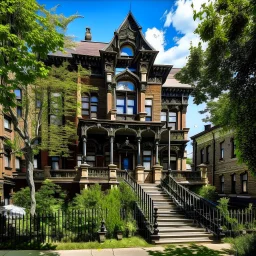
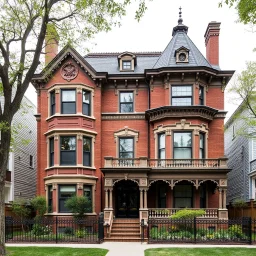
Victorian homes in the early spring. These were images I created about a year ago using Bing (square images) and DALL-E/ChatGPT (horizontal and vertical images). Free for non-commercial, personal use only. Happy to share!
At 2146 W. Caton Street in Wicker Park stands the Frederick Gehrke House, built in 1889 and designed by architects Faber & Pagels. This handsome late-Victorian residence was part of a row of five substantial single-family homes constructed on what was then a newly carved, 600-foot street called Columbia. At the time, this triangular pocket near Damen, North, and Milwaukee was one of the last undeveloped stretches of prairie in the neighborhood — soon to become one of Chicago’ black and white pen
Victorian homes in the early spring. These were images I created about a year ago using Bing (square images) and DALL-E/ChatGPT (horizontal and vertical images). Free for non-commercial, personal use only. Happy to share!
At 2146 W. Caton Street in Wicker Park stands the Frederick Gehrke House, built in 1889 and designed by architects Faber & Pagels. This handsome late-Victorian residence was part of a row of five substantial single-family homes constructed on what was then a newly carved, 600-foot street called Columbia. At the time, this triangular pocket near Damen, North, and Milwaukee was one of the last undeveloped stretches of prairie in the neighborhood — soon to become one of Chicago’ black and white pen
Prompt: a lantern glowing softly on a cobblestone street, mist swirling, with old Victorian houses lining the path, watercolor, mysterious, nocturnal

© 2026 Stablecog, Inc.